Table of Contents
- How to Book a Private Boat in 7 Steps
- Step 1: Determine Your Group Size and Vessel Type
- Step 2: Decide Between Captained and Bareboat Rentals
- Step 3: Plan Your Itinerary and Destinations
- Step 4: Understand Pricing and What’s Included
- Step 5: Review Safety Requirements and Regulations
- Step 6: Complete Your Reservation and Deposits
- Step 7: Prepare and Confirm Final Details
- How Long to Book a Boat Rental in Advance
- Questions to Ask Boat Charter Companies
- What to Bring on a Boat Charter
- Vetting a Charter Operator and Checking Safety Standards
- Understanding Charter Costs: Hidden Fees and Gratuities
- Weather Contingency Planning and Cancellation Policies
- Frequently Asked Questions
Last Updated: October 4, 2026
How to Book a Private Boat in 7 Steps
When you book private boat charters, the process doesn’t have to be complicated.
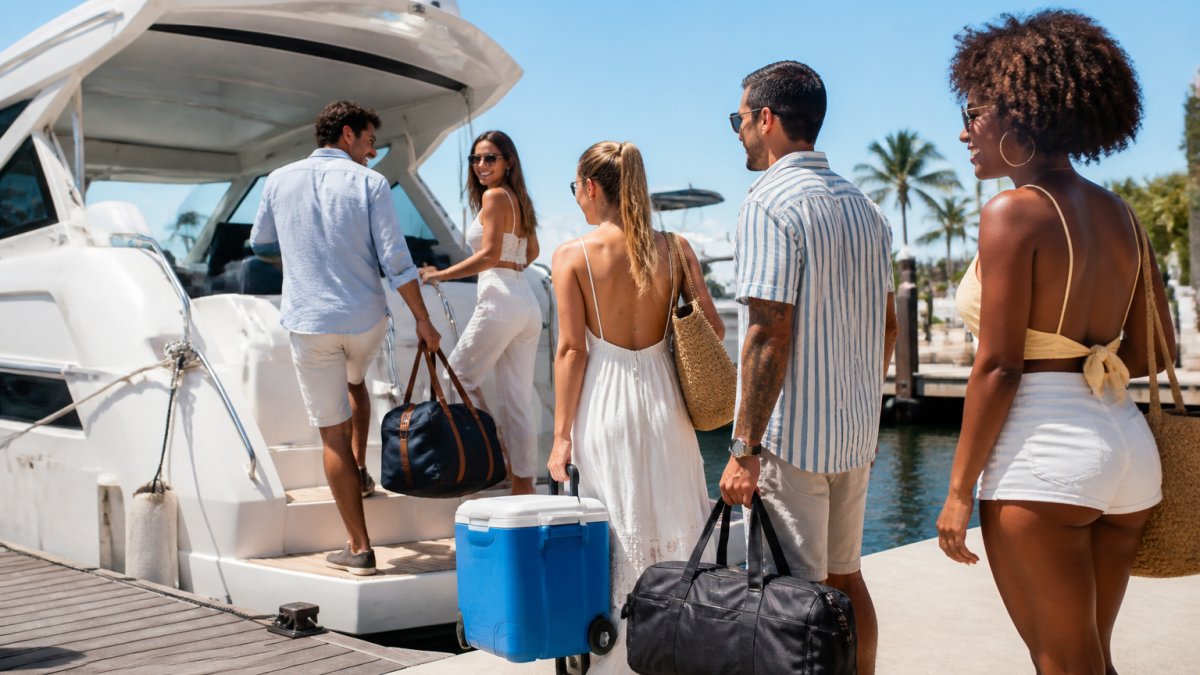
The biggest mistake people make is rushing through the initial planning. Take time to nail down the basics first, your group size, the type of vessel you need, and what experience you actually want.
Step 1: Determine Your Group Size and Vessel Type
Start by counting exactly how many people will be on the boat. This number drives everything else: the vessel size, the price, and what’s realistically comfortable for your group.
Small groups (2-6 people) work well on smaller vessels like speedboats or fishing boats. Medium groups (7-15 people) need something with more deck space and cabin area. Larger parties (16-30 people) require spacious yachts with multiple cabins and lounging areas.
Think about what your group actually needs:
- Fishing enthusiasts need a vessel equipped for deep-sea or reef fishing
- Families with kids need calm waters and safety railings
- Bachelorette parties need space to move around and socialize
- Couples seeking romance need intimate settings and sunset views
Be honest about passenger limits. A boat that technically fits 20 people becomes cramped and uncomfortable. Aim for a vessel that accommodates your group with breathing room.
Step 2: Decide Between Captained and Bareboat Rentals
This choice shapes your entire experience. Understanding the difference helps you pick what actually works for your situation.
A captained charter means you hire an experienced captain and crew to operate the boat. You relax, enjoy the water, and let professionals handle navigation.
A bareboat rental puts you in control. You operate the vessel yourself if you hold the required boating certification.
Most groups choose captained charters for good reason:
- The captain knows local waters, hidden coves, and best snorkeling spots
- Professional crew handles safety and navigation
- You stay focused on celebrating, not operating equipment
- No stress about mechanical issues or getting lost
If you’re considering bareboat, verify that at least one person in your group holds a valid boating license and has hands-on experience with the vessel type you’re renting.
Step 3: Plan Your Itinerary and Destinations
Your itinerary shapes the entire experience. Decide what you actually want to do and where you want to go.
Popular destinations vary by interest:
- Peanut Island for snorkeling and shallow-water exploration
- Jupiter Lighthouse for scenic cruising and photography
- Local reefs for fishing and marine life viewing
- Secluded beaches for swimming and relaxation
- Open water for sunset cruises and celebrations
Work with your charter operator to build a realistic itinerary. A good captain knows which spots work best for your group size and interests. They understand tide schedules, weather patterns, and seasonal conditions that affect where you can safely travel.
Be flexible about timing. A captain might suggest leaving early to catch the best light at your destination or adjusting routes based on current conditions. Their local knowledge often improves your experience significantly.
Step 4: Understand Pricing and What’s Included
Charter costs vary based on vessel size, duration, season, and what’s included. Understanding the breakdown prevents surprises.
Pricing typically covers the boat, captain, and basic crew. What gets added varies by operator. Ask specifically what’s included:
- Fuel surcharge (often added separately)
- Cleaning fees (charged if the boat needs deep cleaning after your event)
- Safety equipment (life jackets, first aid kits, communication devices)
- Snorkeling gear or fishing equipment
- Onboard amenities (tables, chairs, shade structures)
- Catering or beverage service
Hidden fees catch people off guard. Common ones include:
- Security deposit (held until the boat is returned undamaged)
- Gratuity or crew tip (typically 15-20% of the charter cost)
- Cancellation penalties (varies by operator and how far in advance you cancel)
- Fuel surcharges based on current prices
- Additional equipment rentals (jet skis, paddleboards, underwater cameras)
Request a detailed quote that breaks down every cost. This prevents arguments later and lets you budget accurately.
Step 5: Review Safety Requirements and Regulations
Boating safety isn’t optional. Reputable operators follow minimum standards.
Every vessel must carry:
- Life jackets for every passenger (properly sized)
- Emergency signaling equipment (flares, whistles)
- First aid kits
- Fire extinguishers
- Navigation lights and safety equipment
Your charter operator should explain safety procedures before you leave the dock. This includes where life jackets are stored, what to do in an emergency, and how to use onboard equipment.
Ask your operator about their safety record and certifications. This isn’t a question to skip, it matters.
Step 6: Complete Your Reservation and Deposits
Once you’ve found the right vessel and operator, move forward to book private boat services. Most operators require a deposit to hold your date.
Booking deposits typically cover 25-50% of the total cost. The remainder is due before your charter date. Confirm the payment schedule and what happens if you need to cancel.
Review the cancellation policy carefully. Some operators offer flexible cancellation up to a certain date. Others charge penalties if you cancel within 30 days. Weather-related cancellations sometimes get rescheduled at no extra cost, but this varies.
Get everything in writing. Your confirmation should include:
- Exact date and time of your charter
- Vessel name and type
- Number of passengers
- Captain and crew names
- Total cost and payment schedule
- Cancellation policy
- What’s included and what costs extra
Step 7: Prepare and Confirm Final Details
A week before your charter, contact your operator to confirm final details. Confirm the exact time you need to arrive at the marina and where to park.
Prepare your guest list. Some operators need names and ages of all passengers for safety records.
Check weather forecasts as your date approaches. If severe weather threatens, your operator will likely suggest rescheduling. Understand their weather policy so there are no surprises.
Arrive early on charter day. The captain will brief your group on safety procedures and answer final questions.
How Long to Book a Boat Rental in Advance
The ideal advance booking window is 4-8 weeks before your charter date. This gives you time to plan without losing flexibility, and it ensures availability during peak seasons.
Peak season (May through September) fills up faster. If you’re planning a summer charter, book 8-12 weeks ahead.
Last-minute bookings (less than 2 weeks) are possible but risky. You might find limited vessel availability or pay premium pricing.
For major holidays and weekends, book even earlier. Fourth of July, Memorial Day, and Labor Day weekends book solid months in advance.
Questions to Ask Boat Charter Companies
Asking the right questions reveals whether an operator is professional and transparent. These questions should ask any charter company:
About the vessel:
- What’s the exact size and passenger capacity?
- How old is the boat and when was it last serviced?
- What safety equipment is on board?
- Are there cabins, and how many?
About the experience:
- Will you have a captain and crew, or is it bareboat?
- What’s included in the charter price?
- Can you customize the itinerary?
- What happens if weather turns bad?
About costs:
- What’s the total cost breakdown?
- Are there hidden fees I should know about?
- What’s your cancellation policy?
- When is payment due?
About safety:
- What certifications does your crew hold?
- How do you handle emergencies?
- What’s your safety record?
Ask these questions before you book. A reputable operator answers thoroughly and honestly.
What to Bring on a Boat Charter
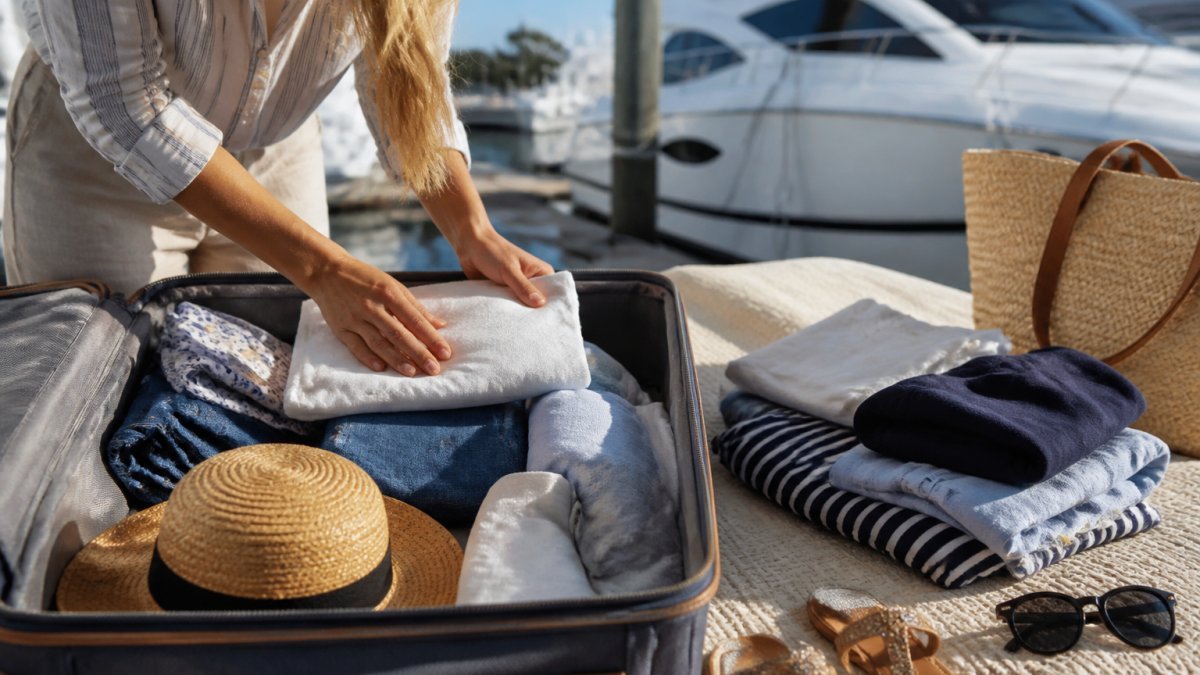
Packing right makes your charter comfortable and safe. Here’s what to bring:
Sun protection:
- Sunscreen (SPF 30+, reef-safe if snorkeling)
- Sunglasses with straps
- Hat or visor
- Light long-sleeve shirt for UV protection
Comfort items:
- Towels (most operators provide these, but confirm)
- Change of clothes
- Flip-flops or water shoes
- Light jacket for evening or air-conditioned cabins
Safety essentials:
- Any personal medications you need
- Basic first aid supplies
- Phone or communication device
- ID or driver’s license
Entertainment and extras:
- Waterproof phone case or camera
- Snacks (if not catering is included)
- Beverages (if not provided)
- Games or entertainment for downtime
What NOT to bring:
- Heavy luggage (space is limited)
- Glass bottles (safety hazard)
- Excessive alcohol (operators set limits)
- Pets (unless pre-approved)
Pack light. Boats have limited storage, and you don’t need much when you’re on the water.
Vetting a Charter Operator and Checking Safety Standards
Not all charter operators maintain the same standards. Vetting them properly protects your group and ensures a quality experience.
Check their credentials and certifications. Look for operators who display Coast Guard certifications and maintain current insurance.
Read recent reviews from actual customers. Look for patterns in feedback about cleanliness, professionalism, and safety.
Ask about their crew’s training.
Visit the vessel before booking if possible.
Ask how they handle maintenance and repairs. A well-maintained boat is safer and more reliable.
Trust your instincts. If an operator seems evasive about safety or unwilling to answer questions, find someone else.
Understanding Charter Costs: Hidden Fees and Gratuities
Charter pricing looks straightforward until you see the add-ons. Understanding common fees prevents budget surprises.
Fuel surcharges are common. Some operators include fuel in the base price.
Cleaning fees apply if the boat needs extensive cleaning after your event.
Security deposits protect the operator’s investment.
Crew gratuities are customary. Tipping your captain and crew is customary for good service.
Equipment rentals add up. Snorkeling gear, fishing equipment, or jet skis cost extra.
Cancellation fees vary.
Request an itemized quote before booking. This shows exactly what you’re paying for and what costs extra.
Weather Contingency Planning and Cancellation Policies
Weather affects boating. Understanding how your operator handles weather issues protects your investment and your safety.
Ask your operator what happens if weather turns bad. Do they cancel and reschedule? Offer a refund? Move to a different location?
Severe weather, thunderstorms, high winds, rough seas, makes boating unsafe. A professional operator cancels or postpones if conditions are dangerous.
Some operators offer flexible rescheduling for weather cancellations.
Understand your cancellation rights. If you cancel for personal reasons, what’s the penalty?
Check forecasts a few days before your charter. If weather looks questionable, contact your operator early.
Frequently Asked Questions
How far in advance should I book a private boat charter?
Booking 4-8 weeks in advance is ideal for most private boat charters, especially during peak season (May-September). For smaller vessels or off-season dates, 2-3 weeks may be sufficient. High-demand dates like holidays, weekends, and special occasions fill quickly, so earlier booking increases your chances of securing your preferred vessel and time slot. Always confirm availability directly with your charter operator.
What questions should I ask a boat charter company before booking?
Ask about the vessel’s capacity and layout, what amenities and safety equipment are included, the captain’s experience and certifications, fuel surcharges and cleaning fees, cancellation and weather policies, insurance coverage, whether food and beverages are provided, and if customized itineraries are available. Request photos and videos of the actual boat you’ll be renting, not generic fleet images. Clarify gratuity expectations and ask about their Coast Guard certifications and safety record.
What should I bring on a boat charter?
Bring sunscreen (SPF 30+), sunglasses, a hat or visor, lightweight layers for wind and air conditioning, water shoes or non-slip footwear, towels, medications, seasickness remedies if needed, and any personal snacks or beverages if not provided. For fishing charters, bring appropriate clothing and tackle if required. Leave valuables at home or secure them in a waterproof bag. Check with your charter operator about what’s provided, many supply life jackets, snorkeling gear, and basic amenities, so you won’t need to bring everything.
Do I need a boating license to book a private boat charter with a captain?
No, you do not need a boating license when you book a captained private boat charter. The captain, who is licensed and Coast Guard certified, operates the vessel. However, if you rent a bareboat (without a captain), federal and state regulations may require at least one person aboard to hold a valid boating license. Always confirm licensing requirements with your charter operator before booking, as requirements vary by vessel type and location.
Booking a private boat is simpler when you know what to expect. Palm Beach Charters makes this process straightforward with transparent pricing, professional captains, and a fleet designed for every occasion. From bachelorette celebrations to family gatherings, we handle the details so you focus on enjoying your time on the water. Ready to book your private boat charter? Contact Palm Beach Charters today and let our team create an unforgettable experience tailored to your group.